
Speech synthesis is everywhere—screen readers, navigation prompts, “read aloud” buttons, call center systems, and learning apps. But the moment you try to use it for real work, the questions get specific: Why do some voices sound natural while others feel robotic? What causes mispronunciations? What’s the difference between speech synthesis and text to speech?
This article answers those questions in a practical way, so you can understand how speech synthesis works and what to look for depending on your use case.
If you’re reading long articles, scripts, or study notes, one simple way to benefit from speech synthesis is to convert text into audio and listen while walking or commuting. AI Listen turns supported text into iPhone-friendly audio so you can listen, review, and catch unclear phrasing without staring at the screen.
Speech synthesis is the process of generating human speech with a computer system.
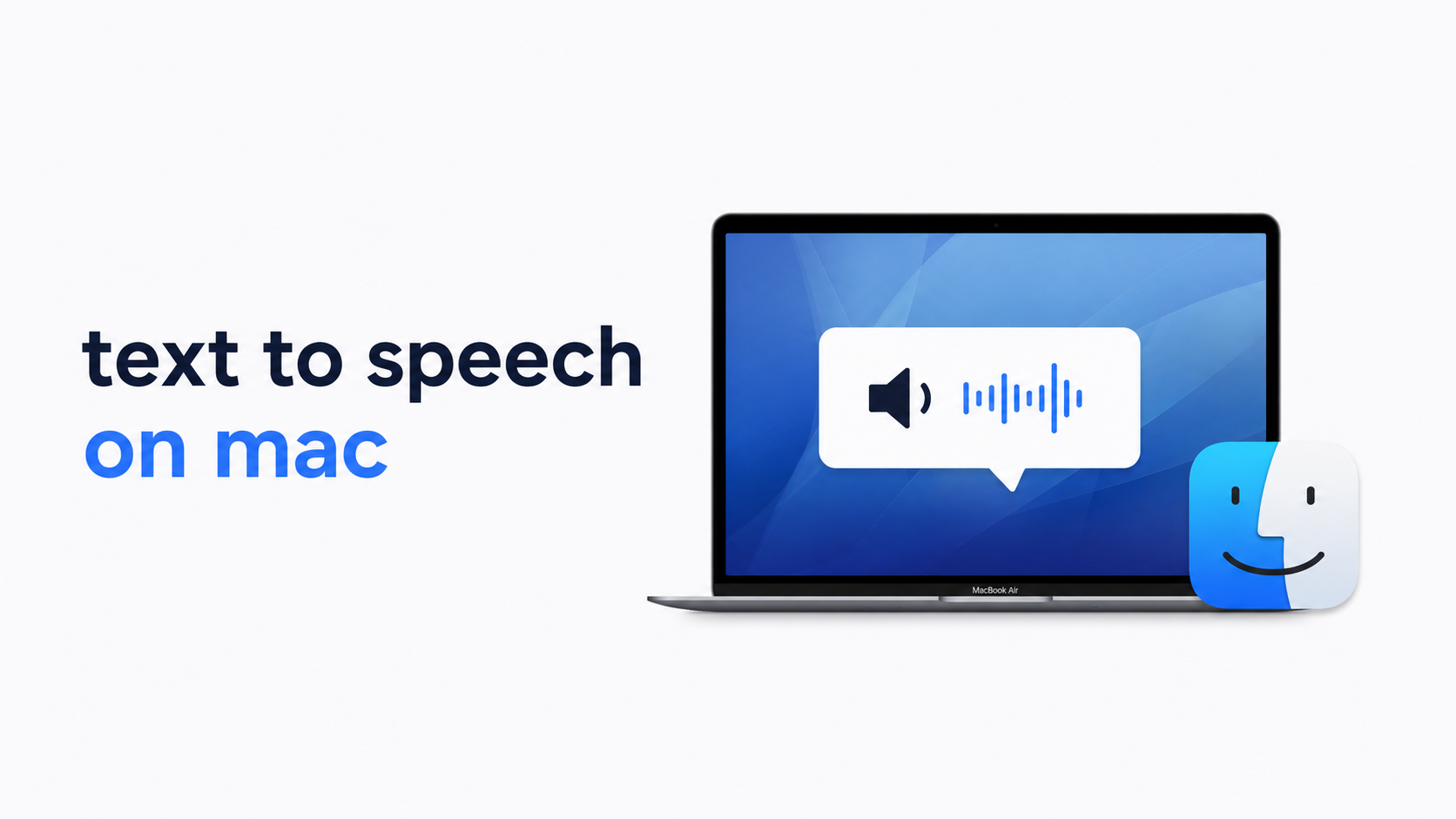
In many everyday products, speech synthesis is used as part of text to speech. The system takes written text, decides how it should sound, and produces an audio waveform that you can play.
Speech synthesis is not the same as:
Speech recognition which converts spoken audio into text
Voice cloning which aims to reproduce a specific person’s voice
Audio editing which modifies recorded human speech
Most modern speech synthesis systems follow a pipeline. Understanding the pipeline helps you predict quality and diagnose issues.
The system first interprets how to read messy real-world text:
Numbers and dates
Abbreviations
URLs and symbols
Mixed languages
Next, it chooses pronunciations:
Converting words to phonemes
Handling names and acronyms
Resolving ambiguous words when possible
Prosody is how speech “feels”:
Pauses and phrasing
Stress and emphasis
Intonation and rhythm
Finally, the model generates audio you can hear. In neural systems, this often involves predicting acoustic features and producing a waveform with a vocoder or end-to-end architecture.
Speech synthesis has evolved through several major approaches.
Concatenative systems stitch together recorded speech units. They can be clear, but often sound less flexible, especially when you need new words, unusual names, or expressive speaking.
Formant synthesis generates speech through rule-based modeling of vocal tract resonances. It can be very efficient and controllable, but typically sounds less natural than modern neural voices.
This approach uses statistical models to predict speech parameters and generate audio. It improved flexibility over concatenation but still often produced “smooth but artificial” speech.
Neural approaches learn patterns of pronunciation and prosody from large datasets and can generate more natural-sounding speech. This is why many current TTS voices sound dramatically better than older systems.
“Natural” speech is more than pronunciation. It’s a combination of qualities that matter differently depending on your task.
Can you understand it easily at normal and faster playback speeds?
Does it sound human-like, with realistic transitions and timing?
Can it convey emphasis and emotion when needed without sounding dramatic?
Does it remain consistent over longer passages, or does it become tiring?
Speech synthesis is valuable because it changes how people access and review information.
Speech synthesis supports users with low vision, dyslexia, or reading fatigue by turning text into audio.
It helps people consume content while walking, commuting, or doing routine tasks.
Organizations use speech synthesis to deliver consistent messages across products, customer support flows, and learning content.
Listening to text often reveals problems that silent reading misses.
Speech synthesis still has limitations, especially with real-world text.
Common limitations:
Mispronouncing names, brands, and technical terms
Handling homographs and ambiguous phrasing
Flattening tone in emotional or literary contexts
Sounding unnatural when punctuation and formatting are messy
Common risks:
Privacy concerns if text is processed in the cloud
Bias and representation issues in voice options and training data
Over-reliance in high-stakes scenarios
Speech synthesis is used across consumer and business workflows.
This is one of the most practical everyday uses. It turns long-form text into audio so people can listen when reading is inconvenient.
Speech synthesis can provide narration for lessons, language practice, and accessible learning materials.
Businesses use synthesized speech to provide consistent phone prompts and automated assistance.
Navigation, smart devices, and accessibility features rely heavily on synthesized speech.
The best solution depends on what you need speech synthesis to do.
Long-form listening for articles and notes
Short UI prompts and product guidance
Support scripts and phone flows
Training narration
Look for:
A voice you can tolerate for long sessions
Speed control without losing clarity
Reasonable handling of punctuation and pauses
Options for pronunciation control if needed
Consider:
Web pages, PDFs, and documents
Copy and paste workflows
Mobile vs desktop use
Reliability and resume playback
Offline support can matter for privacy and reliability, while cloud systems may offer higher voice quality or more options.
Speech synthesis pricing varies:
Free with limitations
Subscription models
Usage-based pricing
Speech synthesis is the technology behind synthetic speech experiences—from accessibility features to narrated learning and audio versions of text. Modern neural approaches have made speech sound more natural, but quality still depends on text normalization, pronunciation, prosody, and long-form stability.
If your goal is to consume or review long content more efficiently, convert key texts into audio and listen once before you move on. Tools like AI Listen help you turn articles, notes, and drafts into iPhone-ready listening so you can review clarity and flow with less screen time.