Bimodal learning is often presented as a simple idea: combine two modes of input, usually reading and listening, to improve learning. That description is accurate, but it is not enough to help students, educators, or independent learners decide when bimodal learning actually helps and when it just adds more noise.
The more useful question is practical: what changes when a learner sees and hears the same material together? In many study situations, the answer is not just “better engagement.” It is better comprehension, lower fatigue, more repeatable review, and a stronger path from exposure to retention.
This guide breaks down five benefits of bimodal learning, the tradeoffs people often miss, and how to build a workflow that supports it in real study settings.
Bimodal learning usually refers to taking in information through two coordinated modes at the same time. In education and self-study, that often means combining visual text with audio playback.
The key word is coordinated. Bimodal learning is not just consuming two kinds of media at once. It works best when both modes reinforce the same content rather than competing for attention.
That is why the method often appears in reading support, language learning, accessibility contexts, and study workflows that use text-to-speech alongside written material.
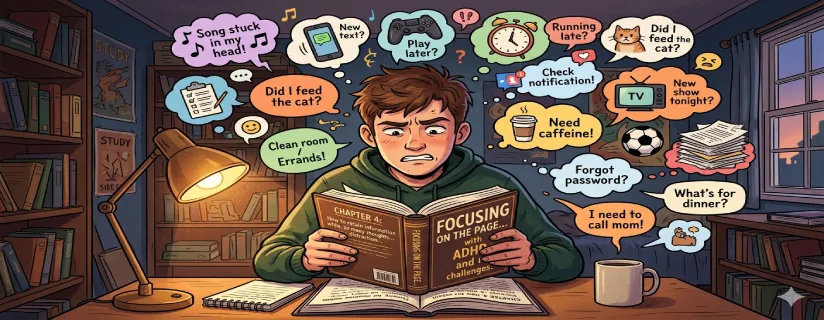
Some learners lose track of meaning because too much effort goes into decoding, pace management, or staying focused on dense text. Hearing the material while reading can reduce that load and make the structure of ideas easier to follow.
This is especially useful for:
long articles
textbook passages
study notes
content with unfamiliar vocabulary
The biggest benefit is not speed. It is improved clarity while the learner is still in the material.
When learners both see and hear the same idea, they often get a stronger memory trace than they would from a single mode alone. This does not mean every student will remember everything better automatically, but it often improves recall because the information is reinforced instead of encountered only once in one format.
For revision-heavy study, this matters a lot. Repeated exposure becomes easier when the content can be reviewed through more than one channel.
One reason learners give up early is not lack of motivation, but cognitive fatigue. Dense reading drains attention quickly, especially when the material is technical, repetitive, or assigned in large volume.
Bimodal learning can help reduce that fatigue by sharing the processing load between visual and auditory input. That can make longer sessions more sustainable and help students stay with the material long enough to finish meaningful review.
Good study often depends on revisiting the same material more than once. Bimodal learning helps because it makes repetition feel less like rereading the same page in the same way every time.
A student can skim visually, then listen while following along, then replay difficult sections. That variety makes repetition more practical and often less discouraging.
One of the biggest practical advantages of bimodal learning is that it supports more than one study posture. A learner can begin at a desk, continue through listening, and return for review later without relying on only one mode the whole time.
That flexibility is useful for students who:
review while commuting
need to revisit class material in short windows of time
study better when they can switch between focused reading and supported listening
want a workflow that adapts to energy levels instead of demanding the same concentration all day
Instead of asking whether bimodal learning is universally effective, ask where it produces the most value.
Study situation | Likely impact of bimodal learning | Why it helps | Main caution |
Dense assigned reading | High | Supports comprehension and reduces fatigue | Audio must align well with the text |
Revision and exam review | High | Makes repetition easier and more varied | Can become passive if the learner disengages |
Light reading with strong concentration already in place | Medium | May still improve comfort | Gains may be smaller |
Tasks requiring deep annotation or slow textual analysis | Mixed | Can help with first-pass understanding | Audio may distract during close reading |
Distracted or noisy study environment | Low to mixed | Sometimes helps focus, sometimes adds more input noise | Needs testing in real conditions |
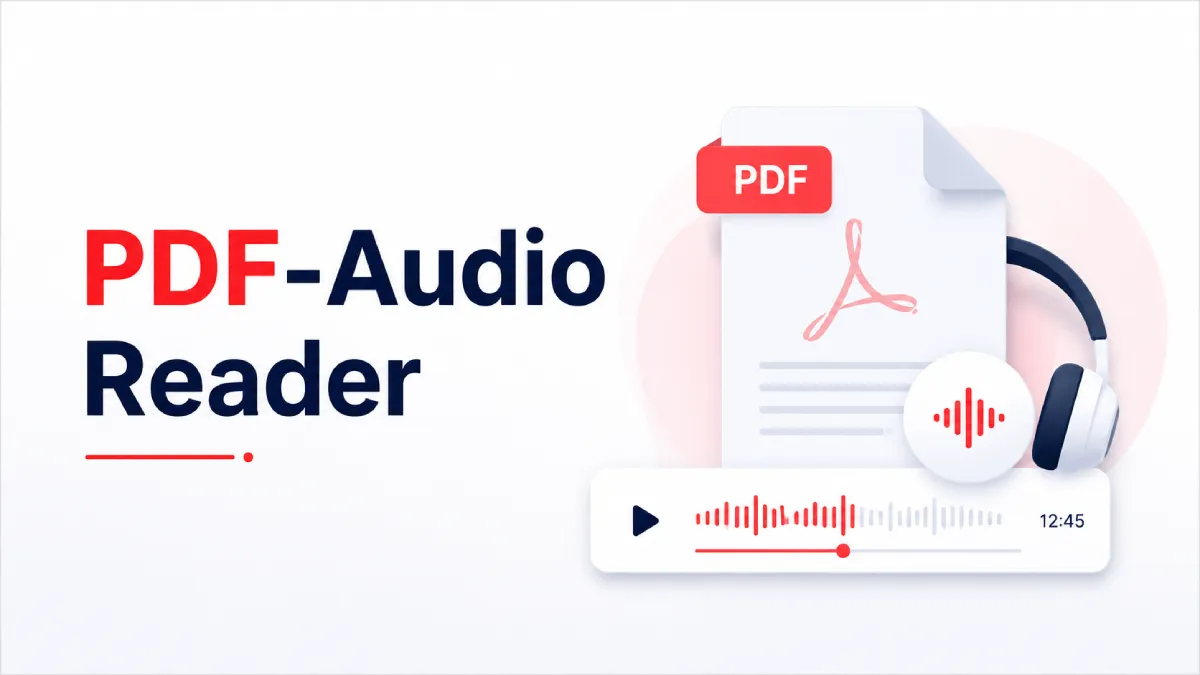
Bimodal learning is only as useful as the workflow supporting it. If it is hard to turn reading material into listenable audio, students are less likely to use the method consistently.
That is where AI Listen fits well. It supports learners who want to combine reading and listening across articles, study notes, and other written materials instead of relying on visual review alone.
The benefit is not just access to audio. It is a smoother way to review material through two reinforcing modes without making the process feel heavier than necessary.
It does not. If the audio and visual input are poorly matched or the learner is already overloaded, the second mode can become distracting instead of helpful.
Some tasks benefit more than others. Bimodal learning is often strongest for comprehension and review, but not always ideal for close textual analysis or tasks that demand slow annotation.
A study method is only useful if the learner can keep using it. The best bimodal workflow is usually the one that lowers resistance enough to make repeated review more realistic.
The five biggest benefits of bimodal learning are clearer comprehension, stronger retention, lower reading fatigue, easier repetition, and more flexible study routines. Those benefits matter most when the two modes reinforce the same material and help the learner stay engaged longer.
Bimodal learning is not automatically better in every context, but it can be a powerful study advantage when used well. If you want to build that kind of read-and-listen workflow around articles, notes, and study material, AI Listen is a practical tool to explore.