Android’s text to speech tools range from a built-in accessibility engine to dedicated apps designed for longer listening sessions. This guide covers how to use each, and which option fits your workflow.
Free AI narrator tools exist — but they come with limits that aren’t always obvious upfront. This guide compares the real free options for AI text to speech, explains what each tier actually includes, and walks you through getting started with the best one for your use case.
A complete developer guide to building speech-to-text programs in C++ using whisper.cpp, Google Cloud Speech-to-Text, and Microsoft Azure Cognitive Services — with runnable code, a performance comparison, and guidance on which approach fits your use case.
Samsung Galaxy phones offer multiple speech-to-text options, but knowing which engine to use — and how to enable it correctly — makes all the difference. This guide covers every method, from Samsung Keyboard voice input to Bixby, with model-specific tips.
ElevenLabs doesn't support SSML bold tags, but Audio Tags, punctuation patterns, and the Style Exaggeration slider give you precise control over stress and emotion. This guide covers every method, including what changed in v3.
A complete step-by-step guide to binding Twitch Channel Points rewards to TTS, covering Streamlabs, Streamelements, Sound Alerts, AI voice upgrades, content filtering, and common fixes.
Google Docs doesn't have a traditional text-to-speech button, but there are three working methods to make it read text aloud — on desktop, Chromebook, and mobile. This guide covers each one clearly, including which Chrome extensions are actually worth installing.
Windows 10 and 11 both include free built-in speech to text — but most users don't know the difference between Voice Typing, Speech Recognition, and Voice Access. This guide explains each, shows you how to start in under a minute, and covers when a third-party tool makes more sense.
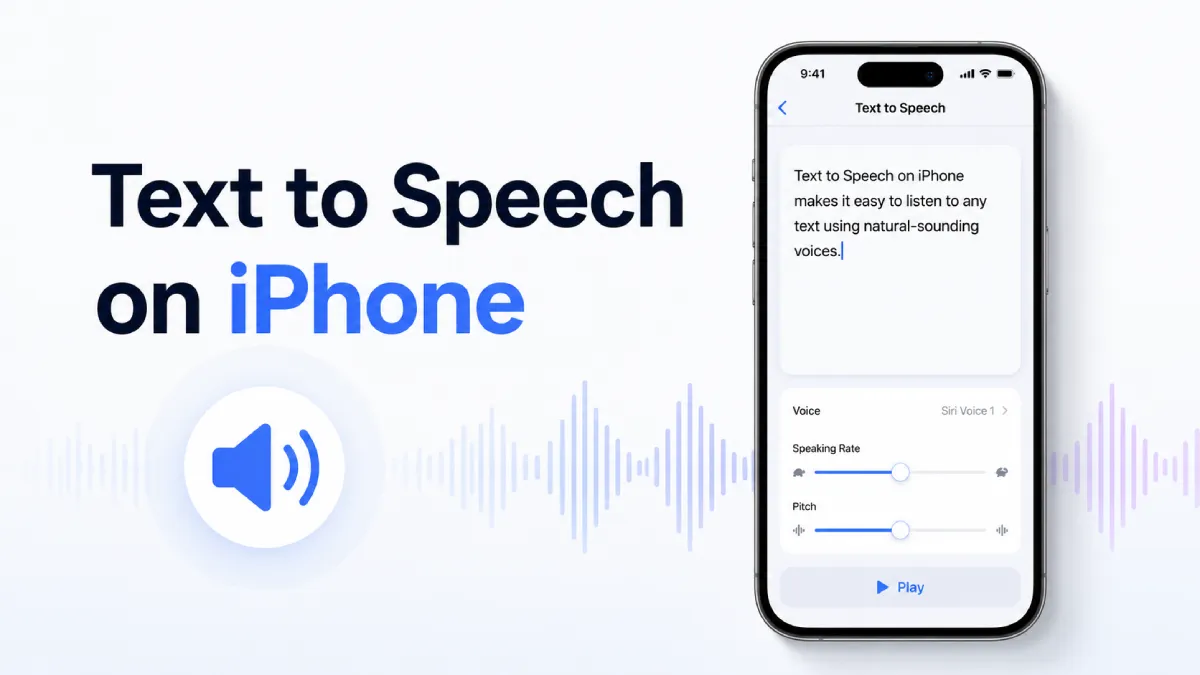
iPhone has three built-in ways to read text aloud — each suited to a different situation. Most guides cover one. This one covers all of them, including iOS 18 Personal Voice and a decision framework for choosing between methods.
GoAnimate rebranded to Vyond in 2018, but its text to speech feature is still one of the most searched. This guide covers how to use Vyond TTS, what voice quality to expect, and which alternatives produce better-sounding results.
Android has built-in speech to text through Gboard and Voice Typing — but the setup path varies by brand. This guide covers how it works on Samsung, Pixel, and other Android devices, plus the best apps for meetings and long recordings.
iPhone's built-in Dictation turns your voice into text without any extra app — but it has real limits. This guide covers setup, voice commands, common fixes, and when a third-party speech to text app makes more sense for your iPhone.
Your device suddenly started reading everything aloud and you need to stop it — fast. This guide covers how to turn off text to speech on iPhone, Android, Windows, Mac, Minecraft Bedrock, and inside specific apps, with the quickest method for each platform.
Google Docs includes a free voice typing feature that converts speech to text in real time — no plugin required. This guide covers how to set it up on desktop and mobile, the commands you need, and how to fix it when it stops working.
Discord supports text-to-speech two ways: the built-in /tts command for quick spoken messages, and dedicated TTS bots that join voice channels and read continuously. This guide covers both, explains why TTS sometimes stops working, and shows how to configure it for your server.
Turn any written text into natural audio instantly. This 2026 guide reviews the best free online text to sound converters, highlighting their strengths, limitations, and hidden character caps.
AI story generators turn prompts into structured drafts for fiction, marketing, and education. In this guide, we cover how AI story generators work, their core features, benefits, limitations, and how to choose the right AI Story Generator.
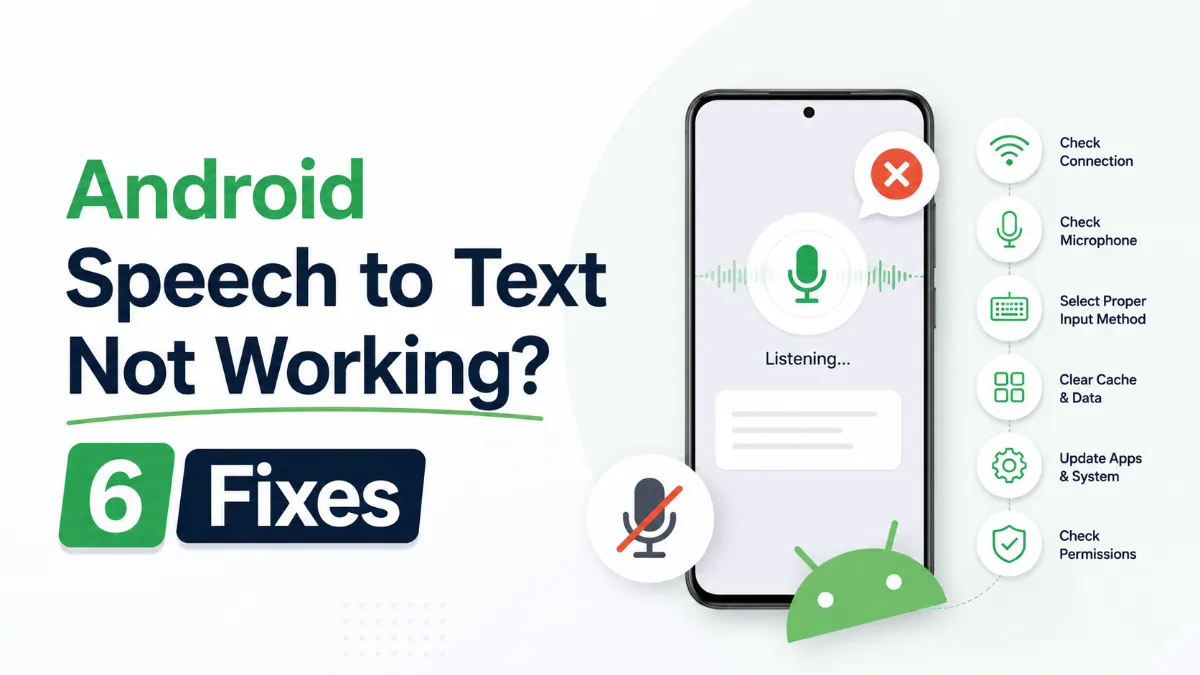
Android speech to text failures usually trace back to a small set of causes: permissions, cache buildup, language mismatches, or internet dependency. Here are six fixes that cover the most common cases, in order of effort.

![GoAnimate (Vyond) Text to Speech: Complete Guide + Best Alternatives [2026]](https://v.aivoicelab.com/b1265344voduse1318177724/4c48016b5001834806033798579/qJrAff3z3FIA.webp)